
Graveyard Keeper 2 Beginner Guide: First Quests, Unlocks & Early Priorities
Graveyard Keeper 2 gives you several useful tasks before it gives you a reliable routine. The safest opening is to complete the first burial, build the basic stations that reduce travel, and spend early technology points on the bottlenecks you feel every day. Do not try to upgrade every system at once.
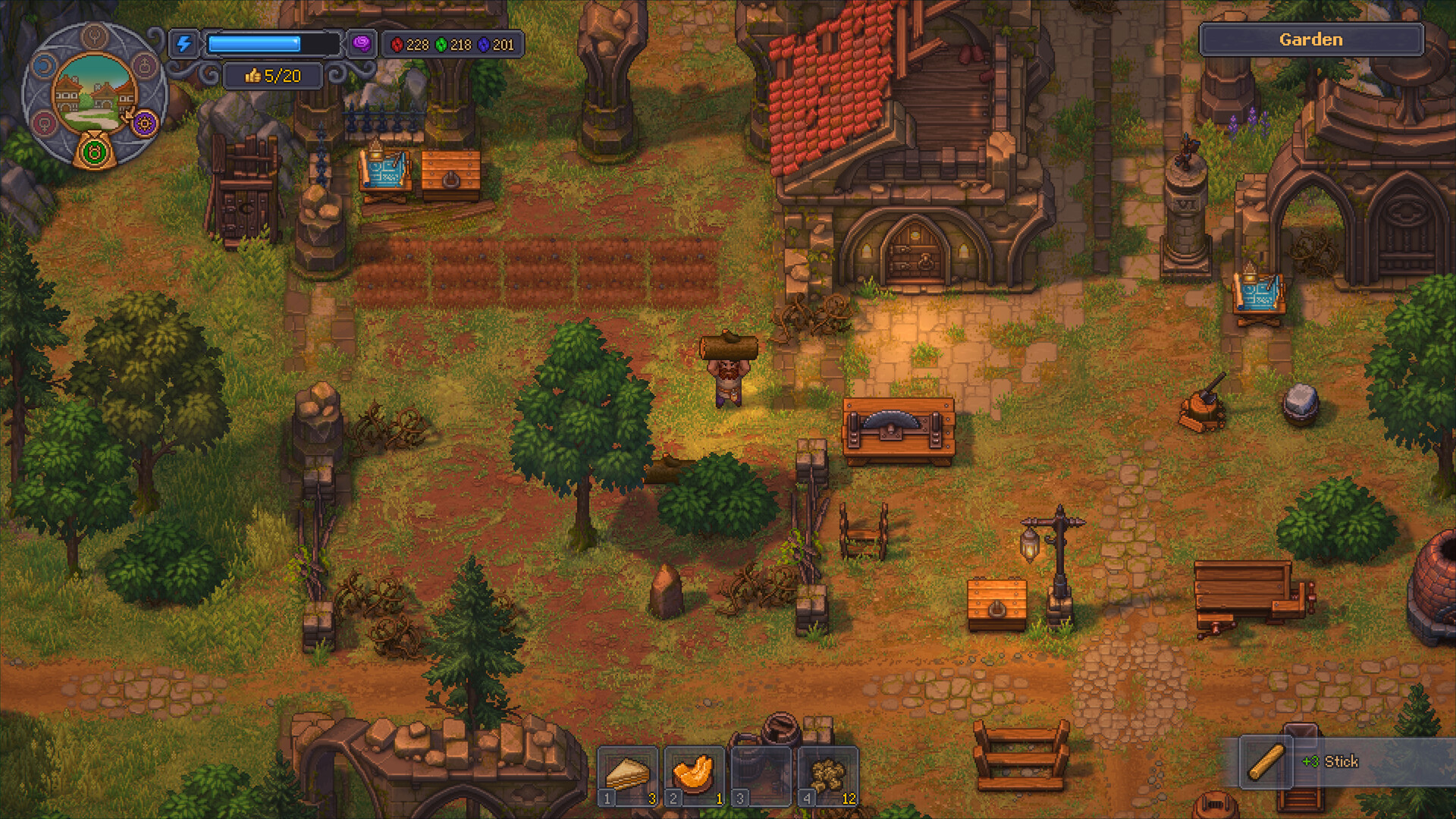
What to Do First
- Follow the opening objectives until the first burial is complete.
- Gather enough basic materials for the first round of infrastructure instead of spending every resource on decoration.
- Establish a simple food and energy routine before taking on a long chain of optional tasks.
- Treat new stations and technologies as solutions to a current bottleneck, not as a checklist to clear immediately.
The early game is easier when each day has one main goal. If a quest sends you across the map, prepare food and leave a small buffer for the work you want to do after returning.
Finish the First Burial
The first burial is the opening test for the graveyard loop. Follow the quest instructions carefully, collect the materials the objective asks for, and avoid wandering into a resource hunt before the burial is ready. Once the first body is handled, the graveyard becomes a practical source of feedback for your next upgrades.
The important lesson is not to treat the graveyard as a one-time tutorial area. Its quality, the condition of the site, and the materials you can use all connect to later progression. Keep notes when a task mentions quality, preparation, or a specific resource that you have not unlocked yet.
Build Basic Infrastructure
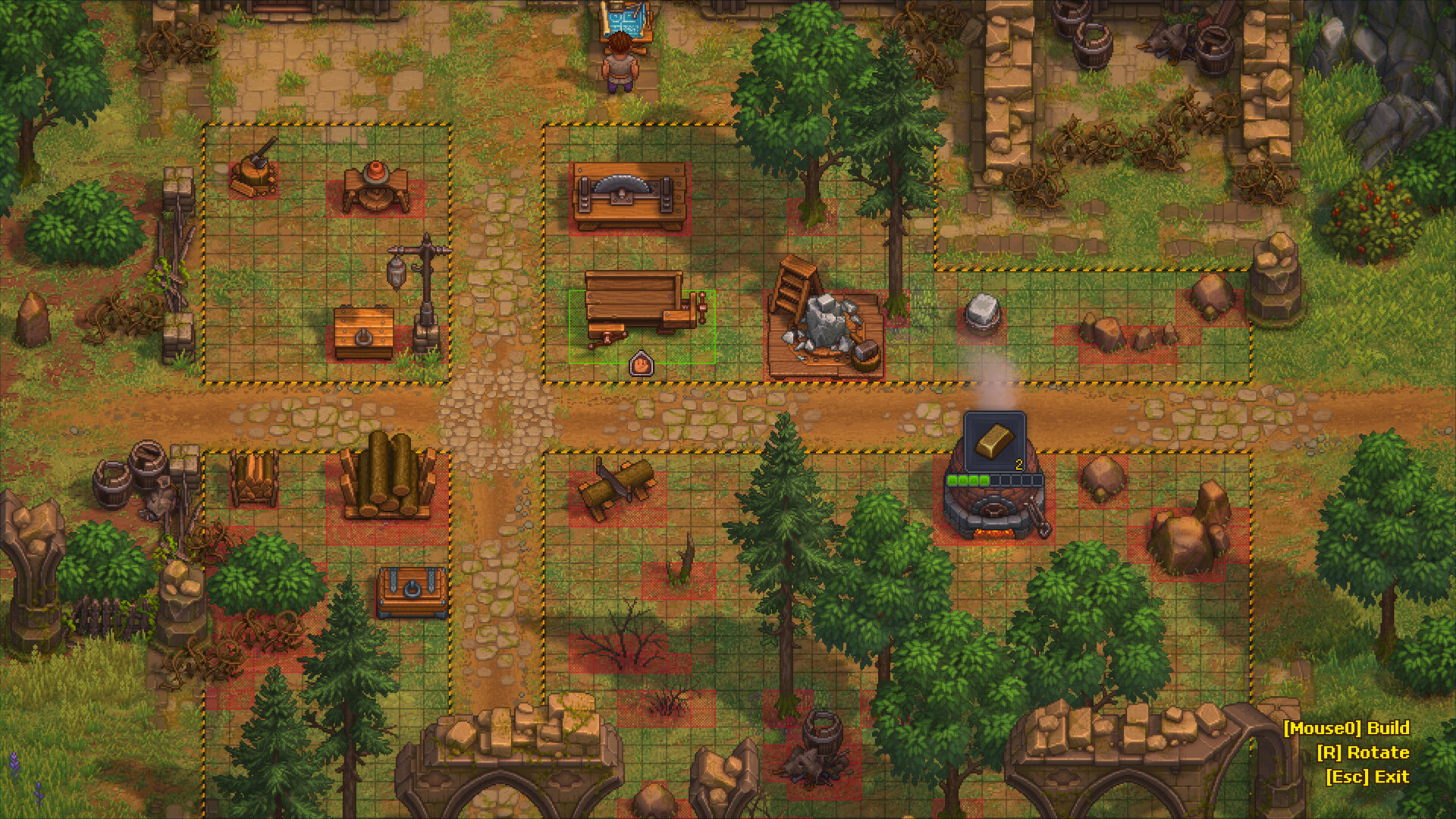
Your first construction choices should make repeated work cheaper. Prioritize the stations and storage that reduce unnecessary trips, then add production buildings when you know which resource is slowing down your current objective.
Avoid spreading materials across too many unfinished projects. A completed station is useful immediately; three half-built stations only create more inventory pressure. When a recipe or quest is not yet confirmed, leave a small reserve rather than converting every material you own.
Choose Technology by Bottleneck
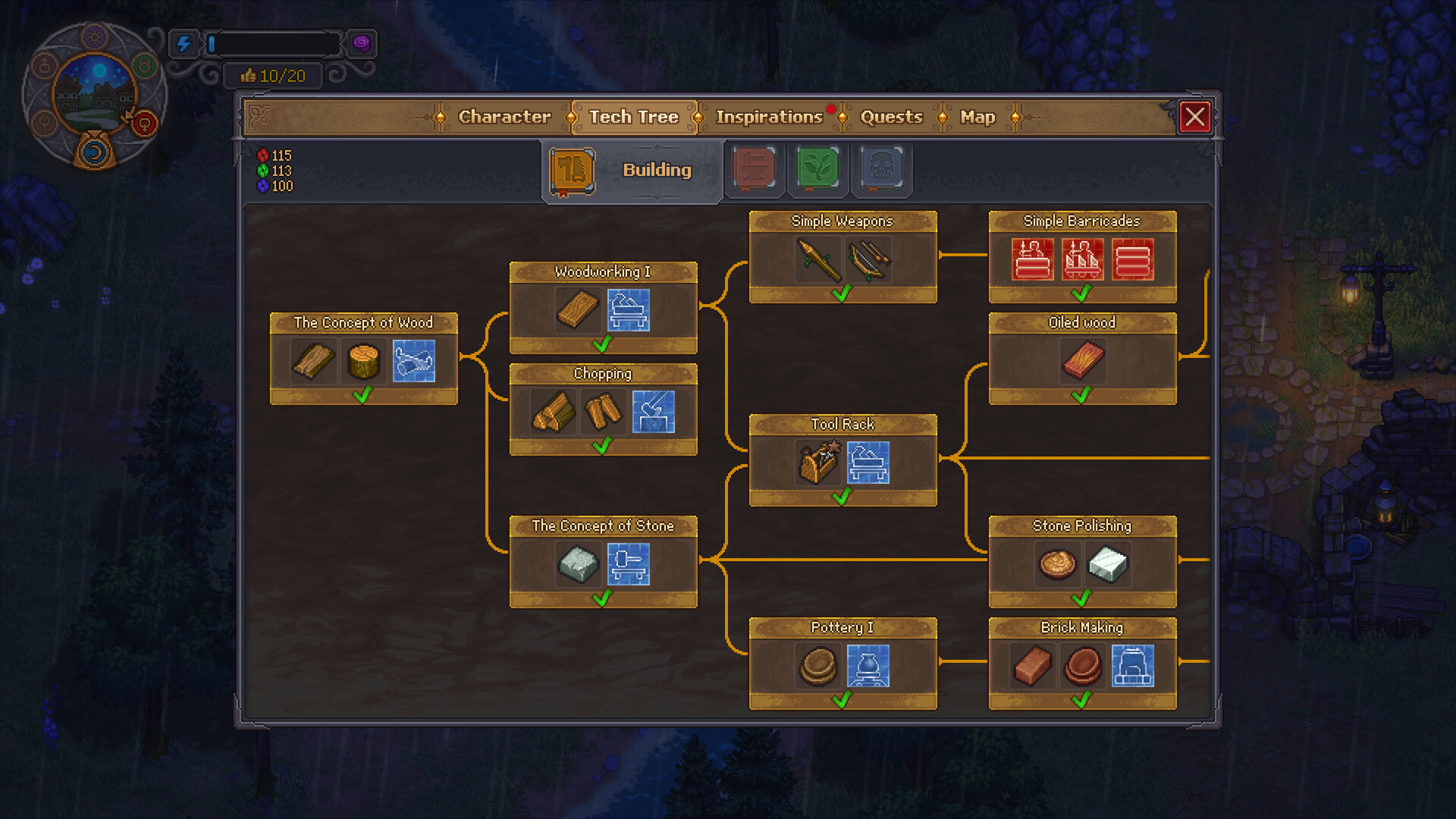
Technology points are most valuable when they remove a problem you are already experiencing. If you are constantly short on a material, choose an unlock that improves access or processing. If your days end with too much walking, choose infrastructure or movement-related improvements when the game makes them available.
There is no need to force a single universal technology order from the beginning of the game. The best next unlock depends on the resources, quests, and stations currently available in your save. A useful rule is to ask: “What repeated task is consuming the most time right now?”
Protect Your Energy and Food
Energy is an early limit on almost every plan. Carry a dependable food option, avoid starting a long trip at the end of the day, and use nearby work when your energy bar is low. A short, completed task is usually better than an ambitious route that leaves several projects unfinished.
Farming, cooking, fishing, and other food systems should be introduced as they solve a real need. Keep the ingredients for the next confirmed quest or recipe, and do not assume that every item with a useful-looking name has the same effect in your version of the game.
Improve Graveyard Quality Gradually
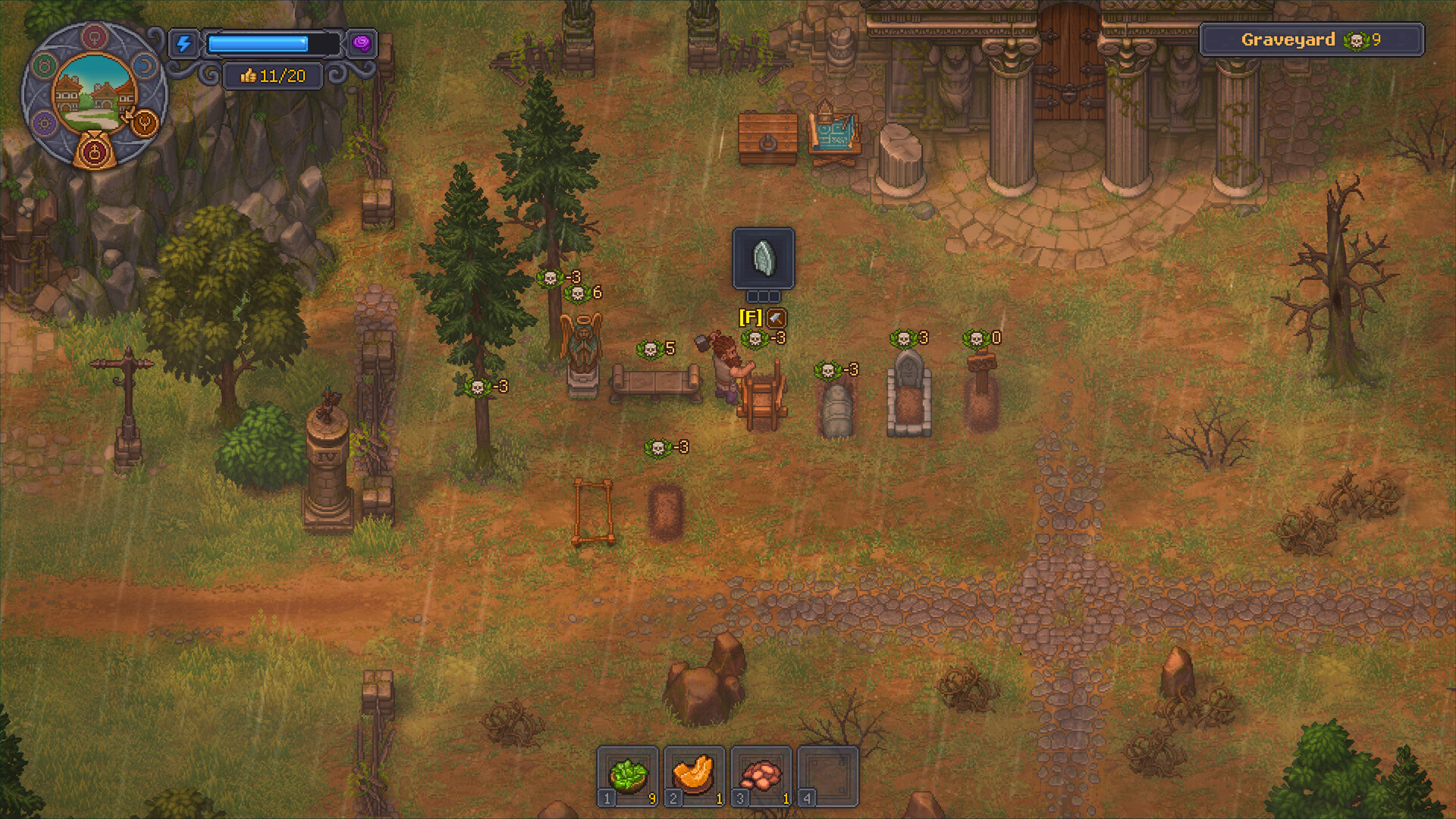
Graveyard quality is a long-term project. Improve it with the materials and services you have actually unlocked, and check the result of each change before committing rare resources to a large upgrade.
This is another place where a small reserve matters. If a quest requires a particular material, spending it all on a grave marker or decorative improvement can send you back through the same resource loop. Upgrade the graveyard in steps and record which change produced a measurable result.
When to Start Zombie Automation
Zombie automation is a mid-game direction rather than an opening requirement. Start planning for it once your basic routine is stable and you can identify a job that repeats often enough to justify the setup. Automation helps most when it supports a process you already understand.
Before investing, confirm the required quest, technology, station, and materials in your own save. Research notes can contain outdated unlock orders or details from another platform or patch, so unverified numbers and exact requirements should remain marked as to be confirmed until checked against an official or in-game source.
The Bottleneck Rule
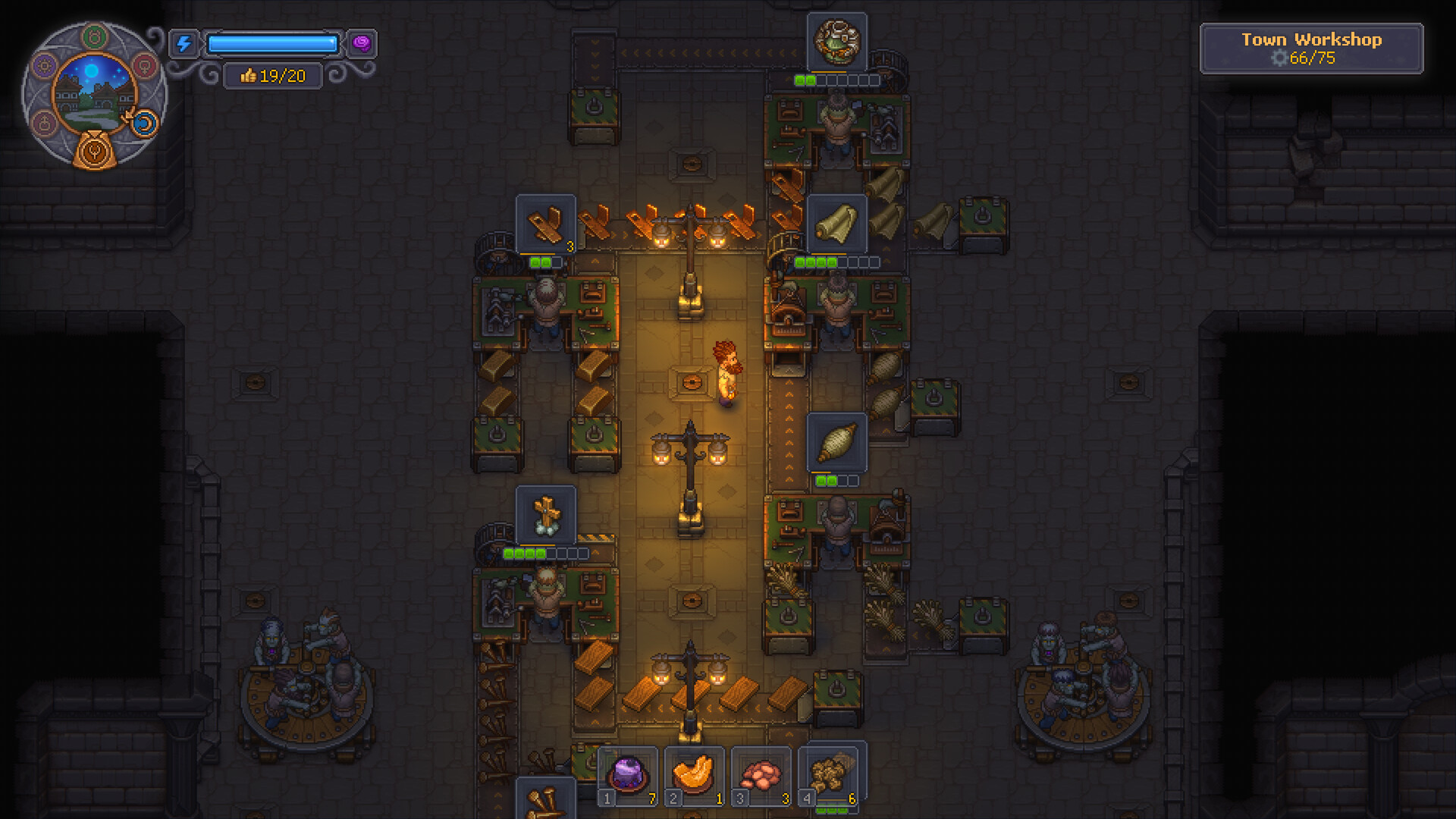
When progress slows down, do not immediately search for a complete build order. Identify the one repeated action that is blocking the next objective: energy, travel, storage, a raw material, a processing station, or a quest prerequisite. Then choose the smallest confirmed upgrade that addresses that action.
This rule keeps the opening flexible while the wiki fills in the exact systems. It also prevents a common mistake in management games: building a beautiful network of production before the current quest actually needs it.
Verification note: this is an editorial beginner route based on audited research. Exact values, drop rates, recipe costs, and unlock requirements should be added only after they are confirmed for the current game version.
Source notes
This page was checked against the official Steam store page, the collected beginner-guide notes, and the linked gameplay research. Exact costs, drop rates, and patch-sensitive unlock requirements remain marked for confirmation when the current build does not expose a primary source.