
Graveyard Keeper 2 Recipes Guide: Stations and Unlocks
Graveyard Keeper 2 recipes are easiest to manage when you read them as a dependency graph instead of a long shopping list. Every recipe can be blocked by one of four things: the station, the ingredients, the technology or quest that unlocks it, and the tool or Mastery required to operate the station. This page is an audited starting reference for those relationships; it is not a promise that every extracted recipe row is unchanged across patches.
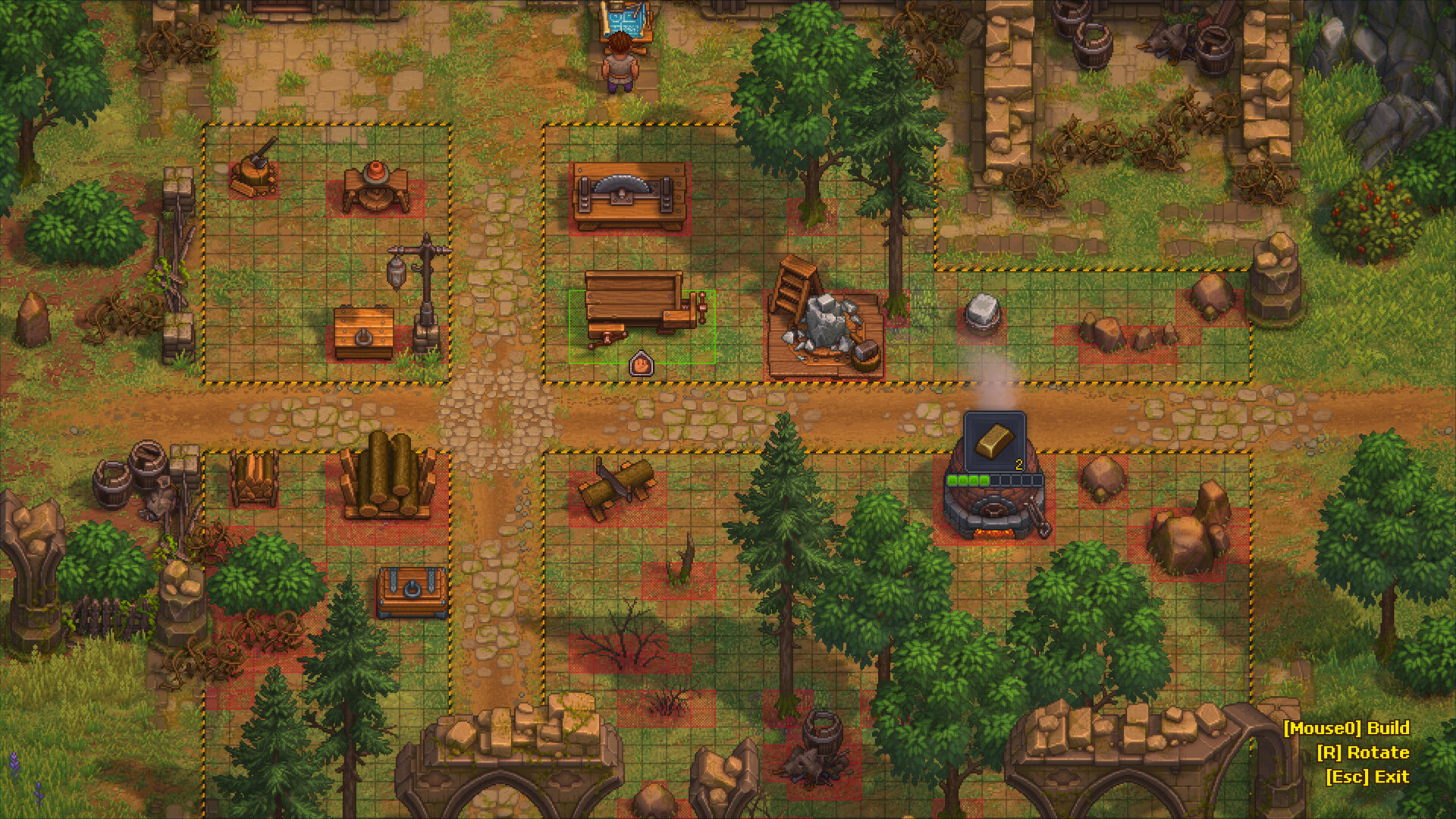
How to Read Recipe Requirements
Start with the station name. A material appearing in a database does not mean that you can craft it immediately: the station may be locked behind a quest, a technology branch, a building repair, or a required Mastery level. Then check the input list, the fuel or energy requirement, the output grade, and whether a perk changes the result.
Do not mix recipes from the first Graveyard Keeper with the sequel. The collected source set includes several pages that reuse familiar terminology, and the supplied recipe notes also contain an unrelated link from another game. That material is excluded from this page. Only rows tied to the Graveyard Keeper 2 source set are candidates for later database expansion.
Early Stations and Materials
The early production loop moves through basic gathering, farming, building, cooking, crafting, and research. Keep a small supply of common materials near the workbench that consumes them, but do not fill every storage slot with low-priority items. The beginner materials emphasize that food and energy matter early, while the wider recipe set shows how quickly iron, glass, fuel, paper, and processed wood become shared dependencies.
Iron is a good example of a cross-system material. It can feed tools, kits, nails, details, weapons, armor, and town or Factory components. If an iron recipe is blocked, check the mining route, the smithing station, the required tool, and whether a quest has to open the next area before you assume the raw material is missing.
Cooking and Fuel
Cooking recipes have their own traps. The collected data distinguishes ingredients, station access, recipe unlocks, item grades, and Fuel from the number of Firewood items in your inventory. One source reports that a Firewood Shed converts Firewood into Fuel; the exact conversion should still be checked in the current recipe panel before you publish a fixed number.
Treat named perks as alternatives, not as extra output that should be added on top of the base row. The recipe notes specifically warn that a named perk can replace the normal fuel amount or change the total output. When building a cooking table, record the base recipe and the active perk as separate states so readers do not accidentally double-count the bonus.
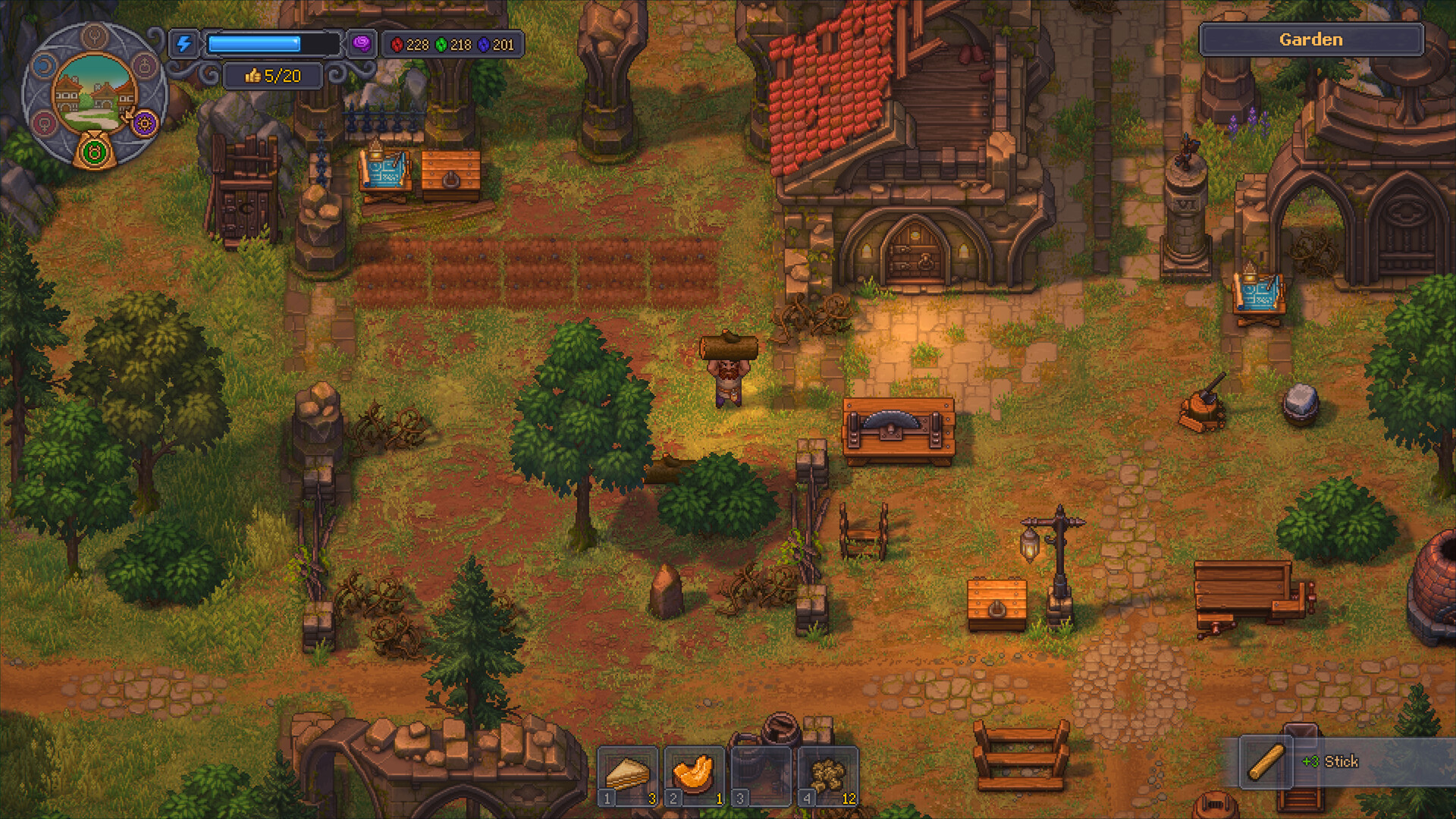
Buildings and Unlocks
A useful building checklist has three columns: what the building produces, what it consumes, and which quest or technology unlocks it. The Factory makes this especially important because the same item may be a raw input in one line, a processed ingredient in another, and a town-restoration delivery somewhere else.
When a recipe is greyed out, inspect the tooltip for the first missing condition. If the message points to a character or quest, advance that route. If it points to a station, build or repair the station. If it points to Mastery, decide whether the Keeper or a specialized zombie should operate it. If it points to a material, check whether the material is finite, renewable, or better obtained through automation.
Using Recipe Data Safely
The collected Recipes file contains a large data set, but it also combines sources with different reliability and update schedules. A recipe table should therefore be published in layers: first the station and dependency guide, then verified rows with a source or an in-game check, and only later a searchable exhaustive database. This prevents one wrong number from making an otherwise useful page misleading.
For a recipe you cannot confirm, write the station and the decision rule but mark the exact ingredient count as “to be confirmed.” Do not invent an item grade, fuel number, research cost, or unlock quest. The best recipe page is not the one with the most rows; it is the one that helps a player identify why the next row is unavailable.
Source notes
This page was synthesized from the collected recipe database notes, cooking recipe reference, and the supplied gameplay transcript. The official Steam store page is used for game context and images. The extracted data includes patch-sensitive rows; exact ingredients and fuel values should be checked in-game before being treated as final.